
And why understanding that “common is not normal” is important to women’s mental health.
This thought has been living in my head rent free for years now. What if? What if i knew more when my kids were born? What if I understood things better when they were diagnosed? What if I was aware how the mind works (or doesn’t) under years of sleep deprivation and what reasonable expectations I should have had? What if I knew how very important it is to be aware of what usually happens to someone’s mental health when they get a disabled child?
There are parents who are able to maintain their composure and their positive outlook. Sweet mamas who manage to keep their sanity and faith in humanity. That’s not my experience, but I’m happy for them. As long as it is not expected of me.
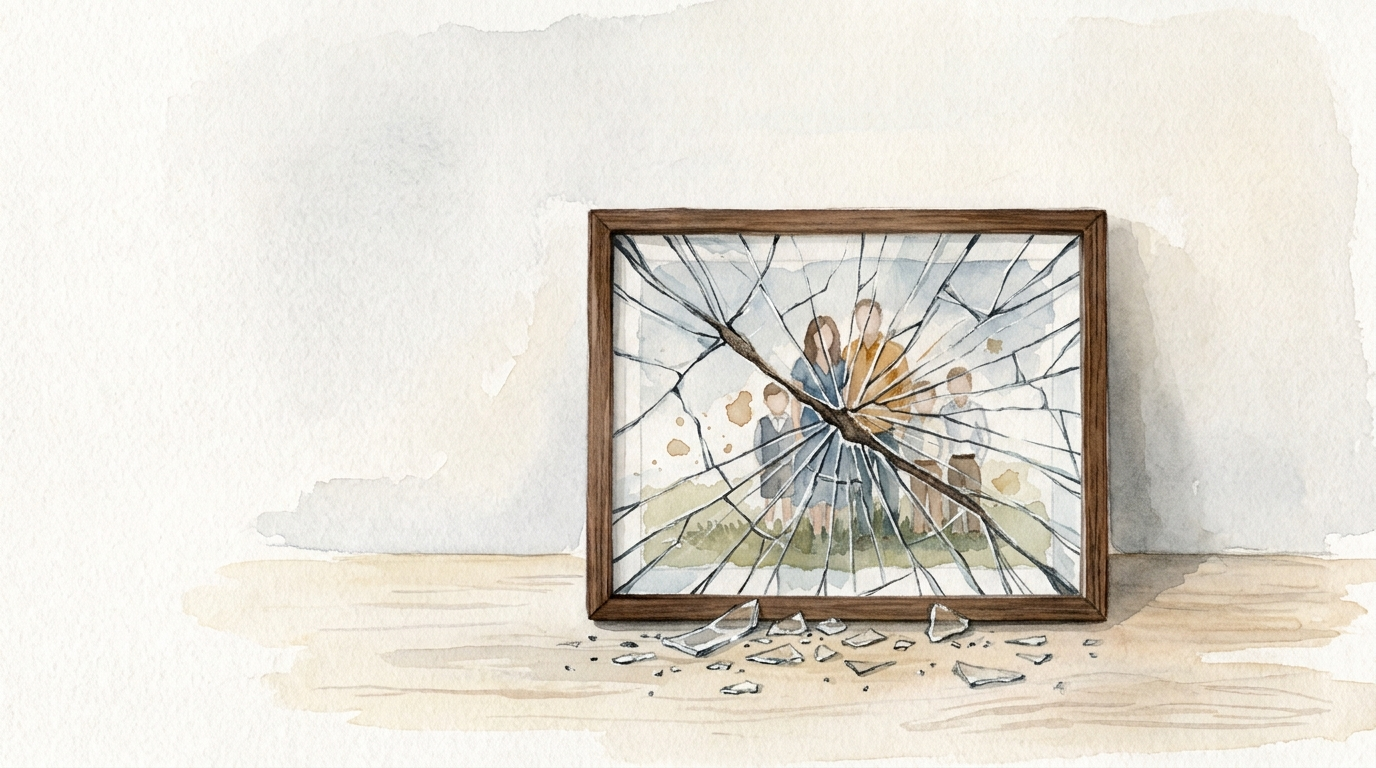
I have been a caregiver for over a decade, and I did not start as someone bitter and angry. I started as someone who had no idea what was happening to her. When my kids were born, I was trying to make everything work. Everyone said they are “just kids”, “normal”, that “kids cry all the time” and I was struggling with my firstborn’s 4-6 hour a day screaming spells and when he acted like his skin was on fire, with night terrors. In every conversation with pediatricians I was told it was “normal”. And we tried to maintain the appearance of normalcy. We tried to go to church. I tried to maintain the facade of a good family, while on the inside I was drowning.
I wish I had learned about identity loss. I wish I had learned about depression rates, and what anxiety looks like in motherhood. I wish I had learned about the resistance of medical establishment when my kids were born, and was ready for a fight instead of “listening to professionals” who saw my kids once a year and were considered the highest authority on their health. I wish I knew not to expect help. I wish I knew that I, myself, had statistically exponentially higher chances of developing depression and other mental health issues.
But I learned. Although an image of a mother who is stuck in her phone instead of “being present” with her child is often mocked and shamed, I would like to give a shout-out to social media, because I do appreciate the advocacy and awareness work that is being done there. A lot of people go through their life without even understanding that what they’re going through is not normal, not healthy. Common, maybe. Not normal. Calling it normal because it’s common is like saying rape is common, so it should be normalized. Ridiculous. So when we say that parental PTSD on the level of combat soldiers is common, that should not mean it is normal. PTSD in caregivers runs 12 to 30 percent across studies. In combat veterans, it’s 11 to 30.
And sometimes people don’t even have a word for what they’re going through. That is why I’m on social media talking about things a parent might experience.
In Russian, we have a saying: who is warned is armed. I wish I was armed ten years ago, and I was not. A lot of things I learned post factum. Everything I wish I had known then is in my book, You Are Not Crazy. The Science of What Caregiving Does to You
And I wonder: if I had that knowledge then, would I have been able to preserve more of my sanity and more of myself? If I was armed with the knowledge I have now, could I have been a better mother? If the patriarchal image of a mother made out of self-sacrifice, and the Christian fundamentalist view that a mother’s self-erasure is expected and praised, were not part of what I believed I was, I wonder if I could have preserved more of my humanity, my sanity, and my “self” in my family. And that would have made me a bigger, better person to give to my children.
But I’m here now. I can’t go back and arm the woman who was keeping up the facade at church. What I can do is hand what I know to the mother who is where I was, so she doesn’t spend ten years finding it on her own. That’s what this letter is for, and it’s why I keep writing them.
Natalya
If you’d like my letters in your inbox, and to be one of the first to read them, you can join here.
Related from the blogPTSD in Caregiving Parents · I Am the Sad Mom · You still do the things you loved — you just don’t feel them